
Kids Dentistry
Kids Dentistry in Eranhipalam, Calicut
There are many things that contribute to a child´s dental health before, even we can say years before; permanent teeth show up? Your knowledge of how the first teeth emerge, how they are cleaned, what a child eats between meals and how they feel at the dentist can determine oral health far past childhood.
Parents in Kerala are not now waiting until later to start thinking about their children's dental development. It is no longer a conversation about just filling in cavities. Later, families ask questions about how strong their children's enamel is, whether or not they have straight teeth, what preventive treatments are appropriate and at what age to bring in a child.
Kids Dentistry in Eranhipalam, Calicut provides families an opportunity to address these issues with appropriate developmental examinations and tailored preventive care.
A useful distinction is the difference between treating a child's teeth and caring for a child's developing mouth. For the latter, one needs to be aware of growth, behaviour, nutrition and gradual transition from deciduous dentition to permanent dentition.
The approach with a three-year-old going to the dentist for their first time is not comparable to the approach of a nine-year-old whose adult molars have just started to grow. With age the clinical priorities change. So should any conversation you have with the child.
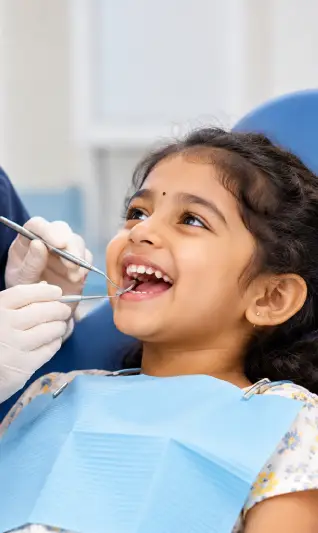
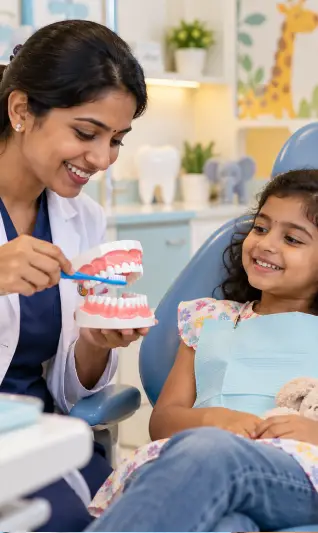
Knowledge about Your Kids Teeth Staple Before You Have An Issue
Some view primary teeth as none other than placeholders destined for permanent replacements. Physiologically their role is way more extensive.
They aid chewing, facilitate speech development and help maintain space under the gum for the adult teeth forming below them. Their location also determines the development of both jaws and arches.
The timing varies, but the first primary teeth usually come in around six months. At around 3 years of age, a child has all their primary teeth (20 in total).
Permanent teeth start replacing baby teeth when you are about 6 years old. You should pay special attention to this stage of development because during this time the first permanent molars erupt behind the existing primary teeth instead of replacing them.
These molars are often misidentified by parents as other baby teeth.
They can be detected with a simple exam and one dentist may recommend protective measures such as fissure sealants should be put in place.
The most useful treatment based dental appointments are not about the treatment. In some cases an examination simply reassures that the development is developing well. That reassurance means something for parents.
What Sets Pediatric Dental Care a Part?
While it is indeed true that we can treat kids differently based on factors such as age, temperament, previous experiences and their ability to understand what is happening.
A young child may want to sit in the chair, but may also be fascinated by each tool. Some may want to see the dentist do a procedure first, before consenting to a checkup.
This is where good pediatric care should step in to account for the variation.
When looking for a Kids Dentist in Calicut, a parent should ensure how well the dental team explains procedures and talks to kids or even modifies appointment as per their comfort level.
Younger children can have appointments that are shorter in duration. Easier examinations owing to comparatively easy explanations, common language and scope of questions,
The other glaringly obvious (yet less discussed) factor is practical: Scheduling.
Additionally, a preschool child who is brought for an appointment during his or her usual nap time in the afternoon may be less compliant than when seen earlier in the day. A routine that you know and a relatively unharried appointment help a lot on a first visit.
Use simple language and reassuring words to explain the appointment to parents. We need not make grand commitments about what the child will feel or not feel.
More useful questions when families search for One Of The Best Pediatric Dentistry In Eranhipalam include how much experience the clinician has with children, whether and what preventive treatment is offers, and whether the clinician takes time to explain clinical decisions.
When choosing a Kids Dental Clinic in Eranhipalam, parents should look beyond convenience. A child-friendly environment, clear communication, preventive dental care and regular follow-up appointments can make dental visits more comfortable and help parents stay informed about their child's oral development.
The practice of preventive dentistry focuses on protecting teeth as they grow up.
You know, if we took it back to childhood prevention, I think that's where so much of the value is because things change in the mouth so quickly and easily.
Dental sealants and fluoride therapy are well established methods that can reduce the risk of tooth decay. Which have different overall goals and can be recommended in individual or twin form.
Fluoride helps to remineralise the enamel and have a stronger tooth surface against acid. Fluoride varnish professionally applied is particularly beneficial in children judged to be at high risk for cavities.
Dental sealants cover another area of the tooth.
The chewing surfaces of permanent molars tend to have small, narrow grooves. These regions trap food particles and plaque, even when a kid brushes carefully. Sealers are thin coatings on properly contoured grooves that decrease the chance of decay.
Sealants are often thought of when these first permanent molars come in at about age six years, and again when the second permanent molars erupt around age 12.
The efficacy depends critically on appropriate tooth selection, proper utilization and periodic evaluation.
Prevention is still daily habit based.
Sweetened tea, biscuits, packaged juices and many small snacks at short intervals are now a common menu in Kerala households for children. The amount of sugar is not what matters, but the frequency with which the teeth are in contact with it.
The constant grazing gives oral bacteria more chances to create acids.
One way is to have regular mealtimes and snack times, drink water between meals and brush your teeth twice every day with age-appropriate fluoride toothpaste.
Brushing still requires some parental assistance for younger children - especially when brushing their back teeth.
Assessing orthodontic creation early and building up changeless teeth
At this age, children start losing their primary teeth and getting permanent teeth; it an opportune time for parents to assess the alignment of their children's teeth.
There are some children that will develop good spacing on their own as the jaw grows. Some might have crowding or other signs and symptoms like crossbites, unexpected eruption styles or uppers and lowers that do not meet centrally.
Orthodontic evaluations are typically recommended around the age of seven to help identify problems early before they become more difficult to fix.
Just because they're seven, doesn't mean they'd all need braces.
In fact, more often than not, the right choice is to just observe.
Growth patterns, space availability and the position of unerupted teeth indicate whether early intervention is meaningful or systemic behaviours ameliorated through improved oral health become more feasible later on.
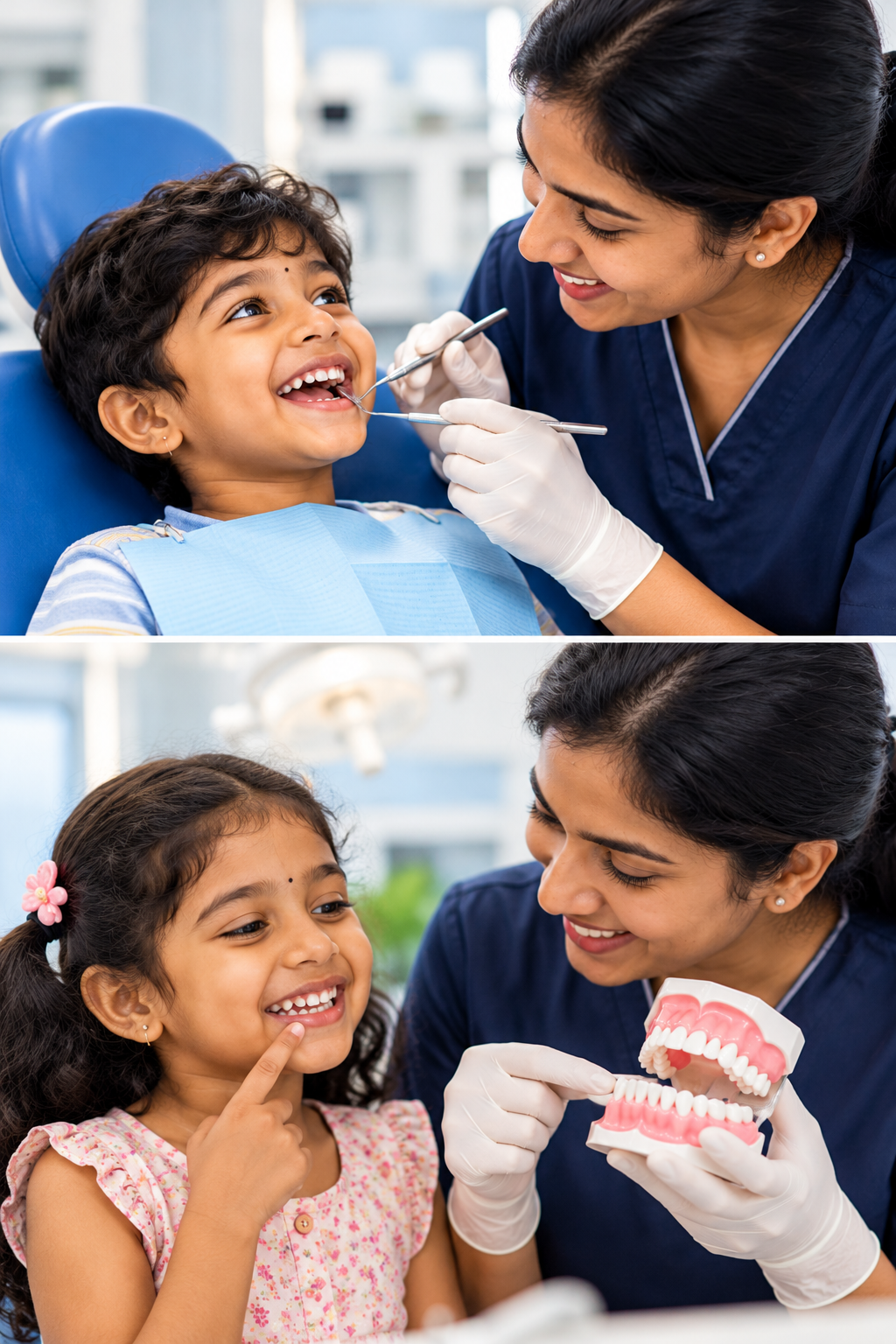
Other habits to consider are thumb sucking past 3 or mouth breathing that continues. There may be a few reasons behind mouth breathing, and the root cause of which will need to be diagnosed in partnership with your paediatrician or ENT.
One of the main benefits of Kids Dentistry in Eranhipalam, Calicut is that nearby families can schedule check-ins as their children age to monitor developmental milestones.
A dental record covering several years is useful to compare eruption patterns, establish changes, and decide treatment needs based on the child's development rather than chronological age alone.
FAQs
What are the main kids' dental services available in Eranhipalam?
Children's dental services may include routine examinations, professional cleaning, fluoride applications, pit and fissure sealants, tooth-coloured fillings, primary tooth restorations, early orthodontic assessments and emergency dental care. Availability depends on the clinic and the qualifications of its dental team.
What are the benefits of pediatric dental treatment?
Pediatric dental care helps maintain healthy primary teeth, supports comfortable chewing, monitors developing permanent teeth and identifies conditions that may benefit from early attention. Preventive appointments also allow children to become familiar with dental care from a young age.
Why are dental sealants recommended for children?
Sealants protect the deep grooves of molars, where brushing can be less effective.
They are particularly useful when permanent molars first emerge. Properly applied sealants can substantially reduce the likelihood of cavities on protected chewing surfaces.
My child gets cavities frequently. Can pediatric dental treatment help prevent tooth decay?
Yes. A dentist can assess brushing habits, dietary patterns, fluoride exposure, existing restorations and individual cavity risk.
Depending on the findings, preventive care may include fluoride varnish, sealants, dietary adjustments and more frequent reviews.
My child complains of tooth sensitivity. Could fluoride treatment help protect the teeth?
Fluoride can strengthen enamel and may help with sensitivity associated with early mineral loss.
Sensitivity can also arise from exposed dentine, cavities or other dental conditions, so an examination is useful before selecting treatment.
What is fluoride treatment for children?
Professional fluoride treatment commonly involves applying a concentrated fluoride varnish to the tooth surfaces. The application is quick and helps strengthen enamel and reduce the risk of decay. The recommended frequency depends on the child's age and individual risk assessment.
Is fluoride treatment safe for children?
Yes. Professionally applied fluoride varnish is considered safe when used in appropriate amounts according to clinical guidance.
The dentist selects the product and application frequency based on the child's needs.
At what age should my child first visit a dentist?
The first visit is recommended when the first tooth emerges and no later than the child's first birthday.
Early visits help parents receive personalised advice on cleaning, feeding practices and normal dental development.
Are dental sealants safe for children?
Yes. Dental sealants are widely used preventive treatments.
They are applied as a thin coating to suitable tooth surfaces and generally require no drilling or anaesthesia. Dentists check their condition during subsequent visits and repair or replace them when necessary.
Meet Our Author
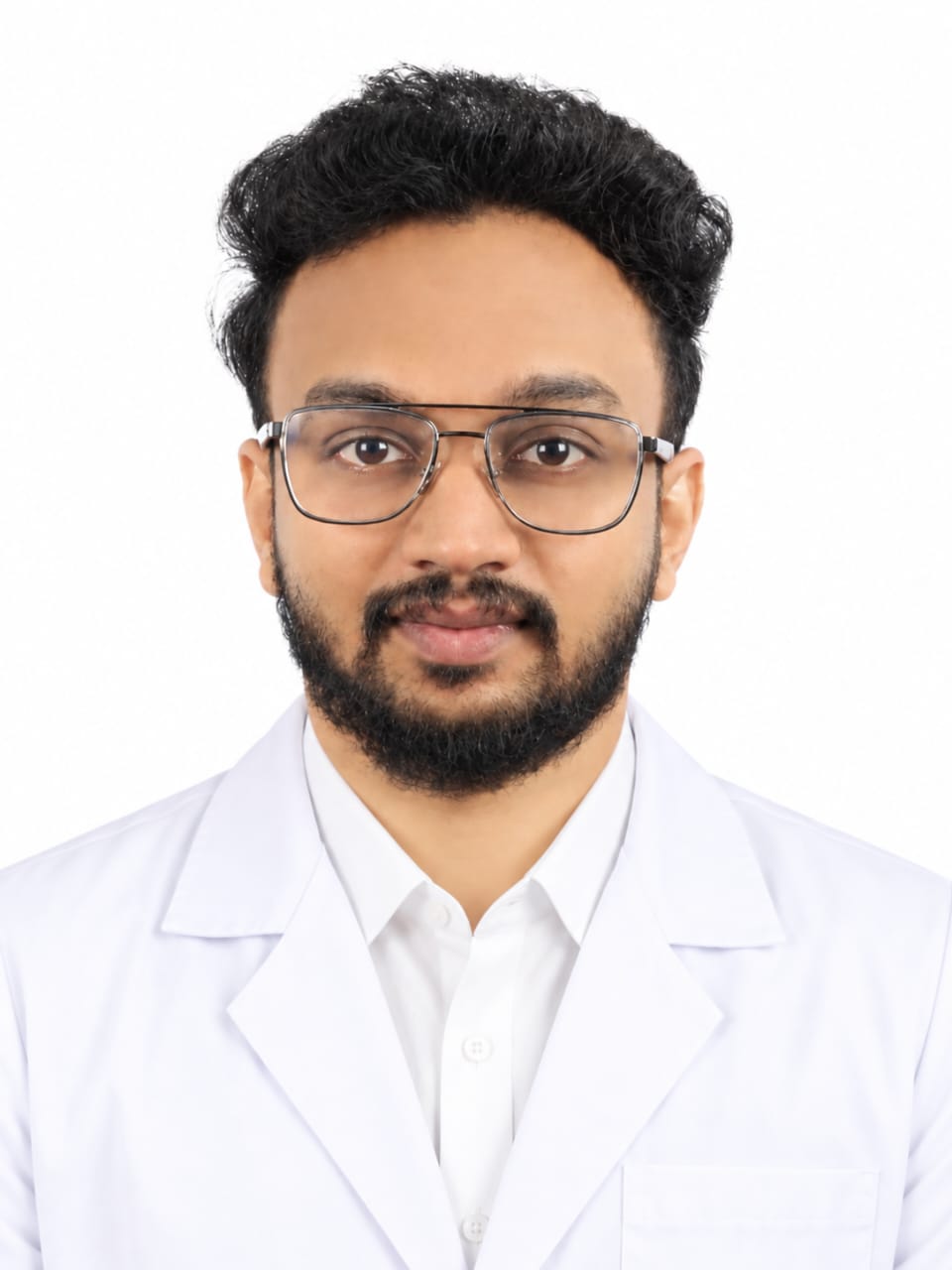
Dr. Sanooj V P, MDS (Orthodontist)
With over 10 years of experience in Orthodontics, Dr. Sanooj V. P. specialises in creating healthy, well-aligned smiles through personalised orthodontic care. His expertise includes braces, aligners and advanced orthodontic treatments, with a focus on comfortable and effective smile correction.
Contact
Apothica Orthodontic Dental Clinic,
Rossa Building Bypass Road, Near Passport Office, Eranhipalam, Calicut KL 673006
097466 04004
Working Hours
10 AM - 7PM (Sun - Sat)


© 2026 Apothica Orthodontic Dental Clinic. All rights reserved.
